Your water bill rose again this month. Your lawn has brown patches, even with daily watering. But when you turn on the system, it works just fine.
It’s easy not to notice an inefficient sprinkler system because everything seems to be functioning as intended. Water comes out of the nozzles, the timer clicks on and off, and your lawn should theoretically stay green.
But somewhere along those lines, some water goes to waste.
This article will cover five signs of an inefficient sprinkler system, the reasons behind each of them, and possible fixes.
Why Sprinkler Systems Waste More Water Than You Realize
Every part that doesn’t perform as expected impacts the efficiency of the whole irrigation system. Whether it’s a malfunctioning head, pressure problems, or other inefficiencies, there’s always room for improvement.
According to the Environmental Protection Agency, close to half of residential outdoor water use ends up wasted. Most inefficiencies come from simple, fixable problems.
5 Signs Your Sprinkler System Is Wasting Water
1. Uneven Watering or Dry Patches
Dry patches on your lawn appear even if you run your sprinkler system every day.
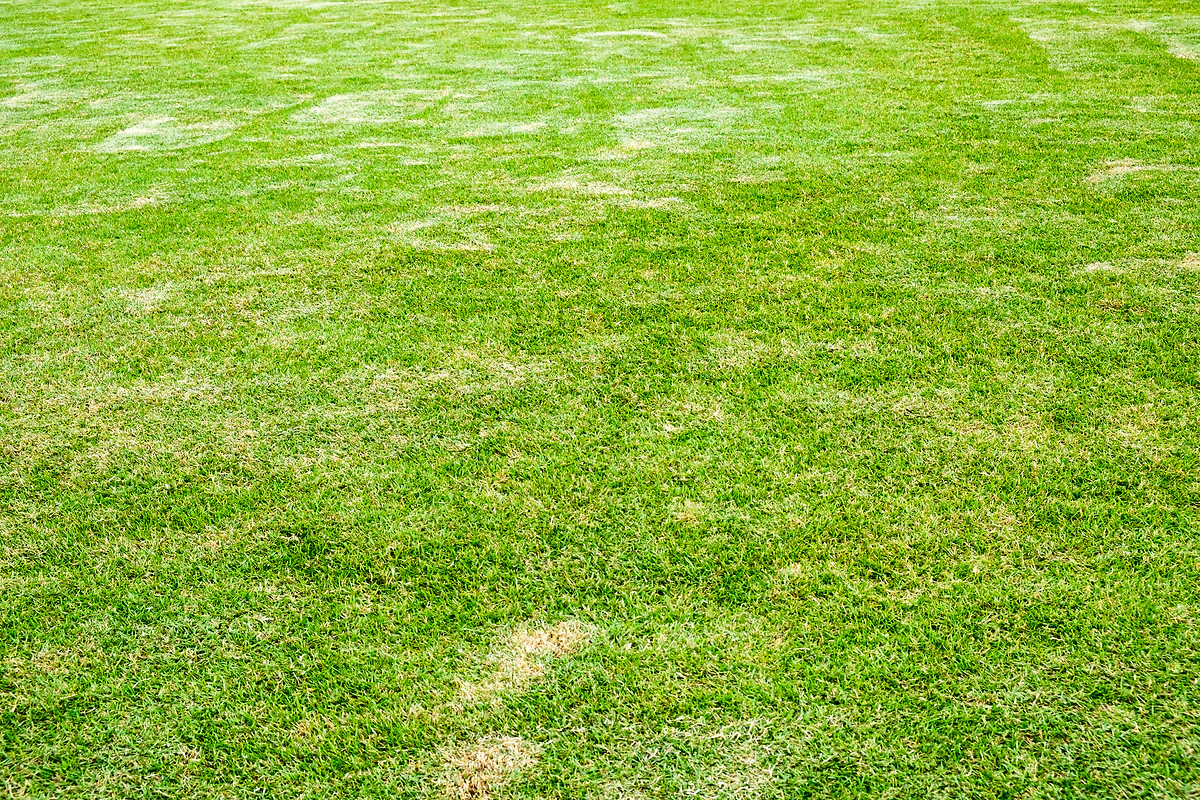 If you have inconsistent watering, it could mean several problems with your heads or your system’s settings. Some heads might not provide sufficient coverage, so certain zones receive less water, while others get overhydrated. If your heads are improperly aligned or partially blocked, they won’t provide uniform coverage.
To increase the coverage, make sure the spacing of the heads is consistent, and the spray pattern of neighboring heads slightly overlaps to ensure the lawn gets evenly irrigated.
2. Sprinkler Heads Not Popping Up Properly
Sprinkler heads fail to pop up properly, and their spray immediately gets stopped by the grass.
As you keep watering your lawn for years, the heads start to settle. Over time, their position changes due to mowing or installing new sod, foot traffic, and natural soil settling. A low sprinkler head is usually a sign of a failing system, as well as insufficient water pressure. Low pressure prevents the heads from popping up normally.
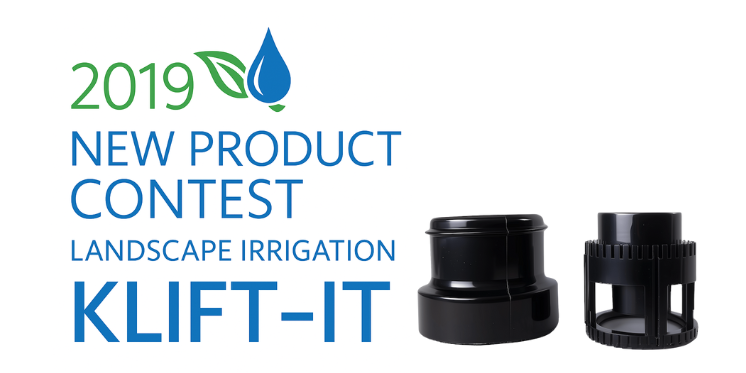
In some cases, raising the head may solve the problem. If the cause of the inefficient head performance is low water pressure, you’ll need to change or repair it. However, to raise the head manually, you’ll need to dig up the head. Fortunately, a solution in the form of a KAP-IT pop-up riser allows you to raise the sprinkler height using a simple surface-mount method.
3. Water Pooling Around Sprinkler Heads
Puddles appear near certain sprinkler heads, and the water takes a lot of time to drain.
Usually, water puddling indicates a broken head, improper installation, and incorrect elevation. It may also indicate a failure of the inner mechanism of the head. In either case, it causes water to go into the ground instead of irrigating your lawn.
If the problem happens only during the irrigation cycle, it likely means your sprinkler head sits in a low place, and water collects around it. In such cases, the problem will likely go away by raising the head. However, if the problem persists even when you stop irrigation, it probably means a faulty check valve.
4. Misting or Fogging Instead of Spraying
The sprinkler produces mist instead of spraying water evenly.
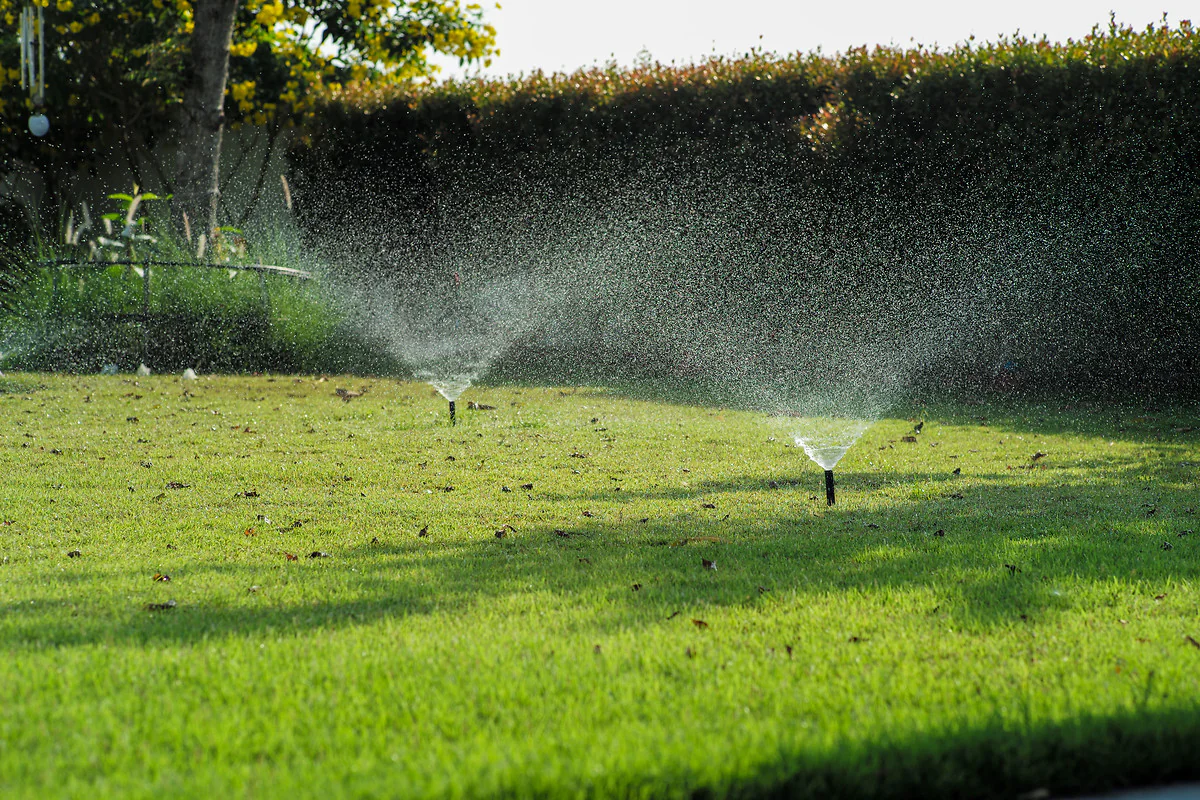
Watering your lawn requires proper pressure to allow water to spray at an adequate distance. High pressure splits water into small droplets, causing evaporation before water even reaches the grass. Besides, the spray doesn’t stay where you want, as the mist can travel easily with the wind.
To avoid this issue, install a pressure regulator next to the backflow preventer to regulate the water pressure or use heads equipped with pressure regulators. Usually, 30 to 50 psi pressure ensures normal head functioning. To measure current pressure levels in your system, check your garden hose gauge.
5. Running the System Longer Than Necessary
You increased the duration of runtimes, but it didn’t have any impact on the appearance of your lawn.
An increase in runtime is usually associated with other problems related to the functioning of your irrigation system. In most cases, increasing runtime won’t improve coverage or even help with brown spots. However, it will result in unnecessary water loss and higher water bills.
Once you identify the root cause of your problem and eliminate inefficiencies, readjust the system’s runtimes to match its new performance levels. This adjustment will save you a lot of water.
Simple Fixes That Make a Real Difference
 Fortunately, most issues with irrigation systems require minor adjustments. You need to walk your zones during operation, make sure the heads are raised properly, adjust pressure, unclog nozzles, and replace malfunctioning heads. To quickly restore the height of a settled sprinkler head, use a surface-mount riser like KAP-IT.
These seemingly insignificant tweaks have a powerful effect on your irrigation system performance. With the right tweaks, you can save between 20 to 30% of water outdoors, which is reflected both in your bill and in the condition of your lawn.
The Takeaway
There’s no doubt that an efficient sprinkler system provides your lawn with sufficient irrigation. However, not every operational system irrigates effectively.
The problems mentioned above can easily indicate some inefficiencies within your system that require your immediate attention. Fortunately, most of these problems aren’t complicated to address.
With a simple tool like a surface-mount head riser, you won’t have to choose between a low-efficiency system and a ruined lawn. Instead, it will take you minutes to make all necessary changes to ensure the proper functioning of the whole system.