Irrigation systems should ideally be installed once and then left alone to do what they were designed for. This should be the principle, but in reality, that’s not always the case.
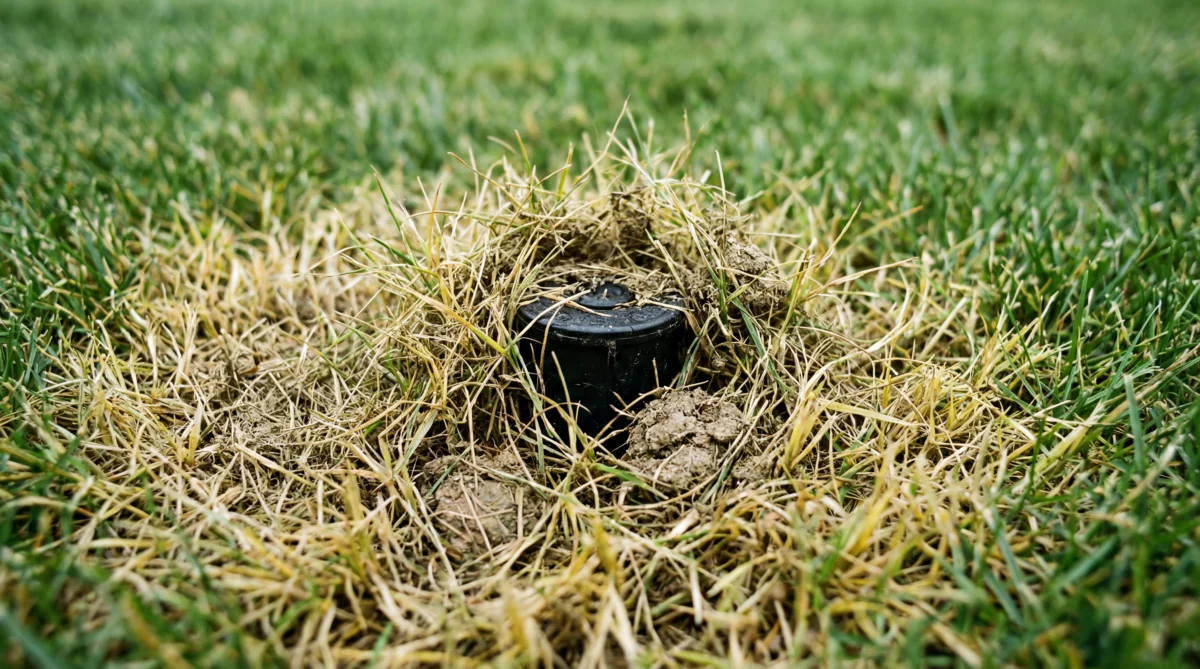
Lawns shift and settle over time, which can pull sprinkler heads lower into the ground.
If the sprinklers are not adjusted regularly, this will inevitably lead to uneven irrigation and, therefore, to other lawn problems. The good news is, this is an easy fix.
This guide walks through the problem, why it happens, and how to fix it properly. You’ll also see how a simple solution can save hours of digging and prevent the issue from coming back.
- Water is blocked by the grass or soil
- Spraying looks uneven
- Certain spots aren’t getting wet while others are flooded
- The head is being hit or buried during mowing
There is another scenario when the head pops up, but not quite enough; it rises, but still stays lower than the surrounding turf. Even a small height difference can affect your entire watering zone.
The low head doesn’t just change the visual appearance. It also influences how your irrigation system is working.
Reasons Behind the Problem: Why Your Sprinkler Head Becomes Too Low
First of all, it’s important to note that sprinklers don’t just sink on their own. Some specific conditions lead to this issue.
1. Soil Compaction
Soil is very likely to compact after installation, especially if your lawn is a newly installed or recently landscaped one. During this process, the sprinkler will stay fixed in place, while the soil moves around it, which pulls it lower.
2. Addition of Sod or New Lawn
Second, your sprinkler head can become buried if new sod is installed over it. Or, simply, if the lawn grew taller over time, it can become higher than the sprinkler head, which is already installed.
3. Continuous Mowing and Walking
Third, walking over and mowing your lawn causes constant compacting of the soil that surrounds the head. This process gradually lowers the head and can occur much faster than you think.
4. Incorrect Installation
In some cases, this problem is caused by improper installation itself. If it has been done incorrectly and too low, the head is likely to become even lower due to other factors later on.
Why It Matters: What a Low Sprinkler Head Is Costing You
Of course, apart from affecting how your lawn will look visually, there are other serious consequences.
1. Uneven Watering
The most evident effect is that water gets blocked by surrounding grass or soil and can no longer irrigate your garden properly.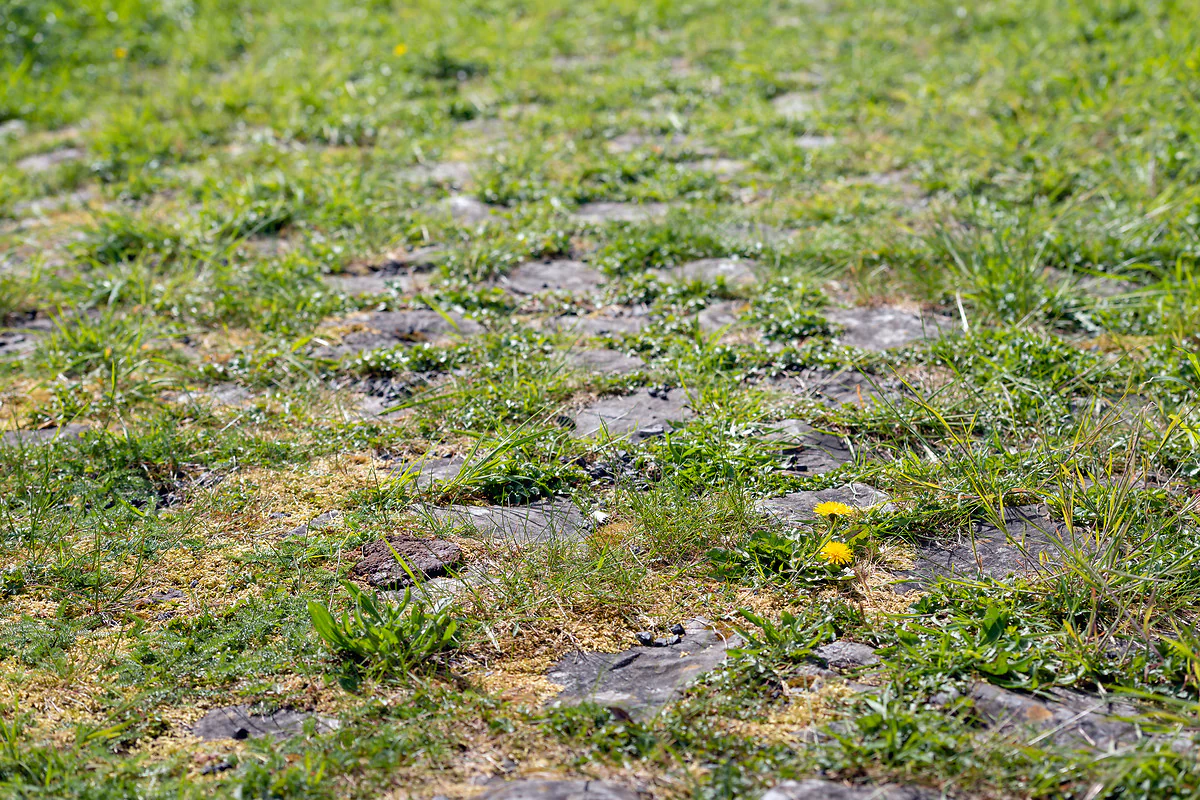
2. Increased Water Usage
Low sprinkler heads result in improper watering of your garden, which often makes users turn on their irrigation systems for longer periods of time. Thus, it increases your water bill.
3. Uneven Lawn Development
Certain spots will not receive enough water to develop properly. At the same time, others will become overwatered and may begin to rot.
4. Damage to Equipment
Sprinklers that remain sunken are prone to damage as they can be easily hit by the lawnmower. Moreover, they can become clogged with dirt and soil easily.
5. Maintenance Issues
Without fixing the issue properly, you will face numerous difficulties in the future, including adjustment and repair of your sprinkler system.
The Problem With Traditional Repair
A standard way to fix a sunken sprinkler head is to dig the hole, find and adjust it. It is effective, but not really practical.
Usually, you would follow the steps described below:
- Start by digging around the sprinkler head
- Find and expose the sprinkler body, pipe, or other elements
- Extend the height with a new riser
- Reassemble the system and check its effectiveness
- Fill the hole again

While this process guarantees success, it also brings several disadvantages:
- It is time-consuming
- You disturb your lawn and landscaping
- Dirt can enter the system and obstruct it
- It is rather inconvenient if you have several low sprinklers in the same lawn
It is quite easy when it’s a single sprinkler, but a real hassle if you need to fix several of them.
An Effective Alternative: Raise Sprinkler Heads Without Digging Holes
Nowadays, there is a better way to handle this problem.
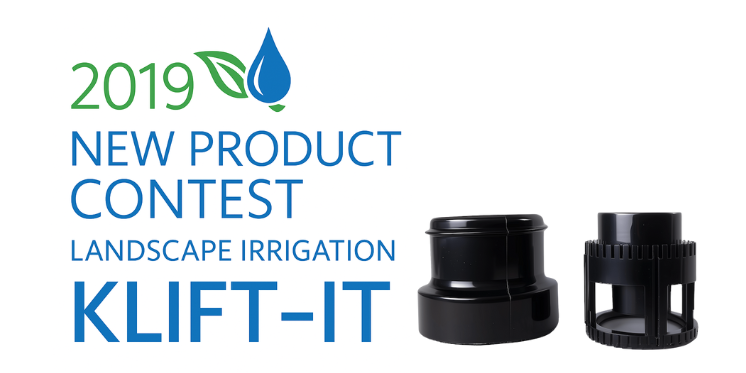
By installing an additional riser, you can raise your sprinkler without all those inconveniences mentioned above. Here’s how KAP-IT – the unique pop-up riser produced by K-IT Products – works.
How Does KAP-IT Work and What Are Its Benefits?
KAP-IT is a special device that allows adjustment of sprinkler heads without digging any holes or performing other complicated processes.
Its advantages include:
- It doesn’t require digging anything up
- You don’t need to expose the pipes/radiators
- It keeps dirt out of your irrigation system
- It is fast and simple
Therefore, it allows fixing the problem without any hassle.
How to Raise the Sprinkler Head
This is how you do it when using KAP-IT.
Step 1: Identify the Sprinkler Head That Needs to Be Fixed
The first thing you should do is identify the problematic sprinkler. For that, turn your irrigation system on and look for heads that:
- Don’t pop up high enough
- Have uneven spraying
- Are buried in grass
Step 2: Remove the Top of the Head
The next step is removing the nozzle of the sprinkler head.
This procedure is very easy and doesn’t require any digging.
Step 3: Attach a New Riser
Now it’s time to install the KAP-IT riser. Screw it onto your sprinkler head.
This is a quick and easy task.
Step 4: Reassemble the Head
Once done, it’s time to put the previous nozzle back on.
This part won’t take much of your time either.
Step 5: Test Your Sprinkler
Lastly, test it by turning your irrigation system on again.
As a result, you will see the following improvements:
- Higher sprinkler head
- Improved water coverage
- Even water distribution
Why This Matters for Both Homeowners and Professionals
This is a common problem, and the solution is valuable both for professionals and DIY enthusiasts.
For Homeowners
- Easier lawn maintenance and repair
- Ability to fix the problem without professional help
- Time and effort saved
For Landscapers
- Quicker adjustment to new sod jobs
- Significant labor-saving effect
- Avoidance of callbacks related to uneven watering.
For professionals, it provides a chance to reduce their labor costs significantly. Previously, this task would take several hours; now it can be done within minutes.
Common Mistakes to Avoid When Fixing Low Sprinkler Heads
Here’s a list of mistakes that should be avoided when repairing a low sprinkler head.
1. Not Fixing it Right Away
Many people tend to ignore this problem, thinking it’s unimportant.
However, it can quickly evolve into something more troublesome.
2. Over-Raising Sprinkler Heads
Making them go too high can cause an excessive amount of water to be sprayed beyond the grass line. Make sure that it matches the grass line, instead.
3. Introduction of Dirt Into the System
Since this procedure involves a considerable amount of digging, you can accidentally introduce a lot of dust and dirt into your irrigation system. This can seriously hinder its performance.
4. Fixing Only One Problematic Sprinkler Head
There might be more than one such sprinkler head requiring attention on your lawn. You might want to inspect the entire zone.
When You Should Fix This Issue
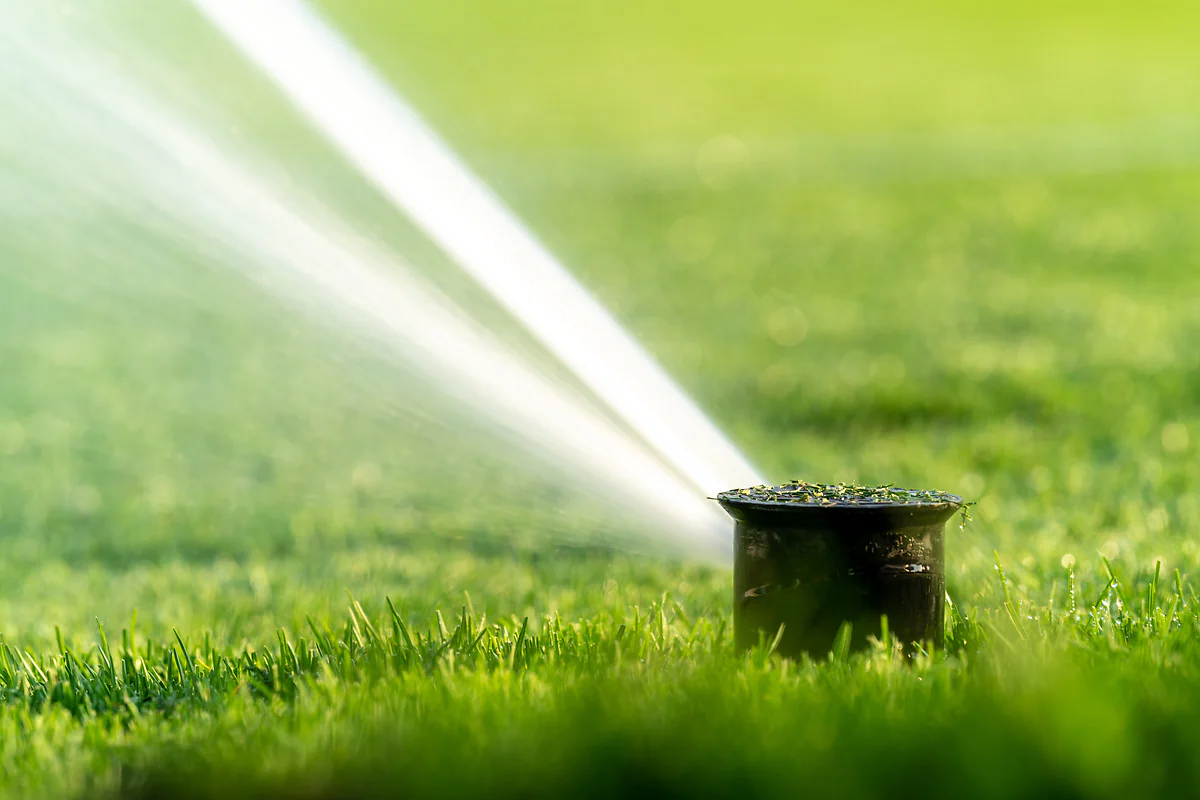
It is best to solve this problem in the spring, right before the irrigation season begins. Fix your sprinklers if you notice:
- Dry or brown patches on your lawn.
- Recently installed sod.
- No inspection of the irrigation system for a long period of time.
- Lowered sprinkler head.
A Smarter Way to Handle a Common Irrigation Problem
A lowered sprinkler head might look like a minor problem. However, its consequences are serious and can lead to lawn deterioration. While traditional methods can help you, a modern approach will take less effort.
K-IT Products pays attention to real-life problems related to irrigation and offers you efficient solutions with the least effort. Instead of working around a problem, you can fix it at once. If you’re dealing with uneven watering or sunken heads, this is one of the easiest upgrades you can make to improve your system right away.